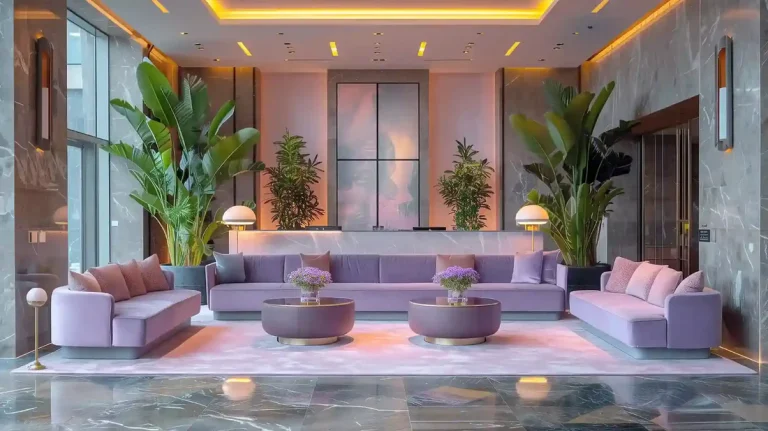

Renovating a home in today’s design landscape requires more than simply updating finishes. Modern homeowners seek spaces that balance aesthetics, functionality, and sustainability. The principles of contemporary design emphasize clean lines, open layouts, and the integration of technology, resulting in environments that are both visually compelling and highly livable. Executing a successful modern home renovation demands strategic planning, thoughtful material selection, and a keen understanding of how space, light, and flow interact.
The Philosophy Behind Modern Home Renovation
A modern home renovation transcends superficial aesthetics. It involves reimagining how a space functions while reinforcing visual cohesion and comfort. Core principles include minimalism, modularity, and multifunctionality. These tenets ensure that every design choice—from flooring to lighting—serves both a practical and stylistic purpose.
Modern renovations often prioritize:
-
Spatial Efficiency: Open floor plans and multipurpose areas reduce clutter and enhance usability.
-
Natural Light: Maximizing daylight through strategic window placement improves mood and reduces energy consumption.
-
Material Integrity: Sustainable and durable materials ensure longevity while reflecting contemporary sensibilities.
-
Technological Integration: Smart home systems streamline daily tasks and enhance convenience.
-
Personal Expression: Color palettes, textures, and finishes articulate individuality within a cohesive design framework.
Recognizing these principles is essential for creating spaces that are simultaneously functional, stylish, and forward-thinking.
Key Elements of Modern Home Renovation
1. Open Floor Plans and Flow Optimization
One hallmark of modern home renovation is the removal of unnecessary partitions to encourage seamless movement and visual continuity. Open layouts unify living, dining, and kitchen areas, fostering social interaction while maximizing natural light penetration.
To enhance flow, designers often employ subtle zoning techniques. For instance, variations in flooring materials or ceiling treatments can delineate areas without imposing physical barriers. This approach maintains the openness of the space while providing functional distinction.
2. Minimalist Aesthetic
Modern design champions minimalism—an approach that emphasizes simplicity and intentionality. Renovations should focus on reducing visual clutter and incorporating streamlined furnishings. Clean lines, monochromatic color schemes, and understated hardware convey sophistication without overwhelming the senses.
Integrated storage solutions, such as built-in cabinets and floating shelves, preserve the minimalist ethos while providing practical utility. By prioritizing function alongside form, homeowners achieve an uncluttered environment that feels expansive and calm.
3. Material Selection and Finishes
Materials play a pivotal role in modern home renovation, influencing both aesthetics and durability. Popular choices include:
-
Natural Wood: Adds warmth and texture, especially when used for flooring or accent walls.
-
Concrete and Stone: Provide structural solidity and a tactile, contemporary feel.
-
Glass: Expands visual boundaries and enhances light transmission.
-
Metal Accents: Stainless steel or matte black hardware introduces contrast and modernity.
Sustainable materials, such as recycled wood or low-VOC paints, support environmentally conscious renovation efforts while maintaining stylistic integrity.
4. Lighting Design
Lighting is not merely functional; it is a transformative design element. Modern renovations often incorporate layered lighting: ambient, task, and accent illumination combine to enhance mood, highlight architectural features, and support daily activities.
Recessed LED lighting, pendant fixtures, and floor lamps with sleek profiles complement contemporary spaces. Additionally, maximizing natural light through skylights, clerestory windows, or expansive glass panels reduces reliance on artificial lighting and creates an airy, open atmosphere.
5. Kitchen and Bathroom Upgrades
Kitchens and bathrooms are central to modern home renovation due to their functional and social significance. In kitchens, open shelving, minimalist cabinetry, and high-quality countertops (quartz, concrete, or marble) merge practicality with aesthetics.
Bathrooms benefit from floating vanities, frameless glass showers, and statement tiles. Incorporating smart fixtures—such as touchless faucets or integrated water-saving systems—enhances efficiency while maintaining sleek, contemporary lines.
6. Smart Home Integration
Technology is increasingly integral to modern renovations. Smart home systems allow homeowners to control lighting, climate, security, and entertainment through mobile devices or voice commands.
Key applications include:
-
Automated lighting and window treatments.
-
Climate control with energy optimization.
-
Security systems with real-time monitoring.
-
Audio-visual integration for immersive entertainment.
Strategic integration of these technologies adds convenience without disrupting design cohesion, reinforcing both function and modernity.
Color and Texture Considerations
Color palettes in contemporary renovations often emphasize neutrality, with shades of white, gray, and beige forming the foundation. These tones provide versatility and amplify light, enhancing the perception of space.
Accent colors, when used sparingly, introduce personality without compromising minimalism. Deep blues, muted greens, or earthy terracotta can complement neutral foundations. Texture also contributes to visual interest: rough-hewn wood, polished concrete, or textured wall panels prevent sterile appearances, offering depth and tactile engagement.
Maximizing Space and Storage
Efficient space utilization is central to modern home renovation. Modern homeowners often face challenges such as limited square footage or irregular floor plans. Strategic storage solutions preserve spatial integrity while reducing clutter:
-
Built-in cabinetry and concealed shelving for multi-functional areas.
-
Under-stair storage or hidden compartments for compact spaces.
-
Modular furniture that can adapt to changing needs.
These solutions enhance livability, making each square foot purposeful without sacrificing style.
Outdoor Living Enhancements
Modern renovations increasingly blur indoor and outdoor boundaries. Decks, patios, and rooftop gardens serve as extensions of interior spaces, providing additional functional zones.
Glass sliding doors, seamless flooring transitions, and integrated landscaping connect interior aesthetics with exterior elements. Outdoor kitchens, seating areas, and fire pits contribute to both style and utility, reinforcing the holistic vision of a modern home.
Sustainability and Energy Efficiency
Contemporary homeowners are prioritizing sustainable practices in modern home renovation. Energy-efficient windows, insulation, and HVAC systems reduce operational costs while minimizing environmental impact.
Solar panels, rainwater harvesting systems, and low-energy appliances further contribute to sustainability. Selecting durable materials ensures longevity, reducing waste and maintenance requirements. Sustainability in modern renovation is not merely an ethical choice but also a long-term economic and design strategy.
Budgeting and Planning for Modern Renovation
Successful renovations require meticulous budgeting and planning. Costs can vary widely depending on scale, material quality, and technology integration. Key considerations include:
-
Scope Definition: Determine which areas require comprehensive renovation versus minor updates.
-
Material Selection: Prioritize durability and aesthetics while monitoring costs.
-
Contractor Selection: Engage experienced professionals with proven portfolios in modern renovation.
-
Contingency Planning: Allocate at least 10–15% of the budget for unexpected expenses.
Proper planning ensures that the renovation process is efficient, cost-effective, and aligned with desired outcomes.
Avoiding Common Renovation Pitfalls
Despite careful planning, homeowners can encounter challenges during modern home renovation. Common pitfalls include:
-
Overcomplicating design with excessive trends, leading to visual discord.
-
Neglecting spatial flow, resulting in cramped or awkward areas.
-
Underestimating lighting needs, creating dark or unevenly lit spaces.
-
Failing to integrate technology seamlessly, which can appear intrusive.
Addressing these issues proactively ensures a cohesive, stylish, and functional outcome.
Future Trends in Modern Home Renovation
The evolution of home design continues to influence renovation practices. Emerging trends include:
-
Flexible Spaces: Multi-functional rooms adaptable to remote work, fitness, or entertainment.
-
Biophilic Design: Incorporating natural elements for improved mental well-being and aesthetics.
-
Smart Furniture: Modular, technology-enabled furnishings enhancing both utility and style.
-
Minimalist Luxury: Clean lines paired with high-quality materials for understated elegance.
-
Sustainable Innovation: Advanced eco-friendly materials and energy systems shaping future-ready homes.
Awareness of these trends allows homeowners to future-proof their investments while maintaining contemporary relevance.
A successful modern home renovation requires the integration of style, functionality, and sustainability. By focusing on open layouts, minimalist aesthetics, thoughtful material selection, and technological integration, homeowners can transform spaces into visually appealing and highly functional environments.
Attention to color, texture, lighting, and storage enhances usability while maintaining design cohesion. Outdoor extensions and sustainable practices further contribute to a comprehensive modern renovation approach.
Planning meticulously, budgeting wisely, and anticipating potential pitfalls ensures that renovations meet both aesthetic and practical goals. Ultimately, a modern renovation is a holistic endeavor—one that harmonizes comfort, efficiency, and visual sophistication to create a home that reflects contemporary lifestyles and individual tastes.
Embracing the principles outlined in this guide allows homeowners to achieve a stylish, functional, and forward-looking space through strategic modern home renovation, combining enduring design principles with innovative solutions for everyday living.
About the Author