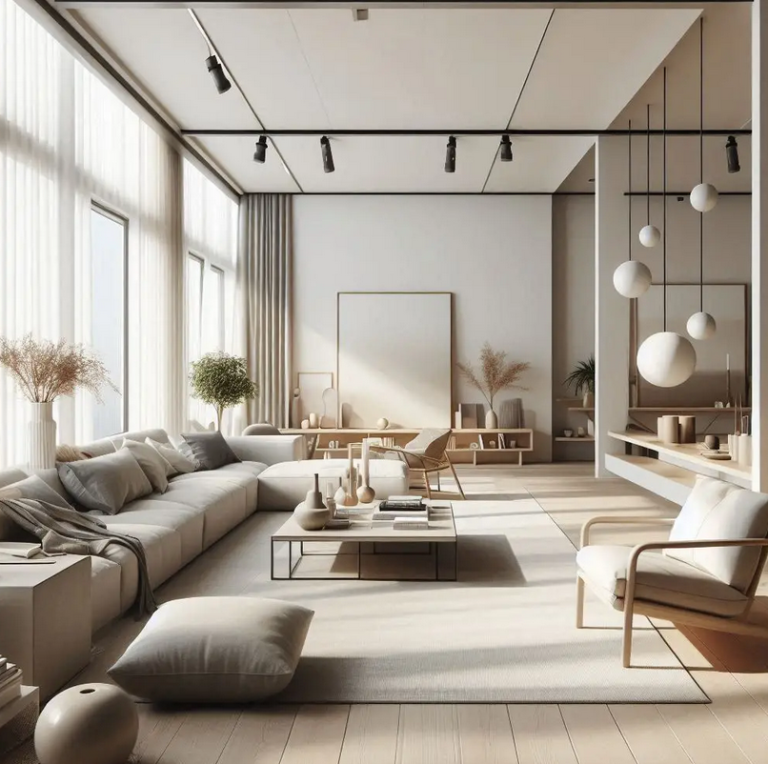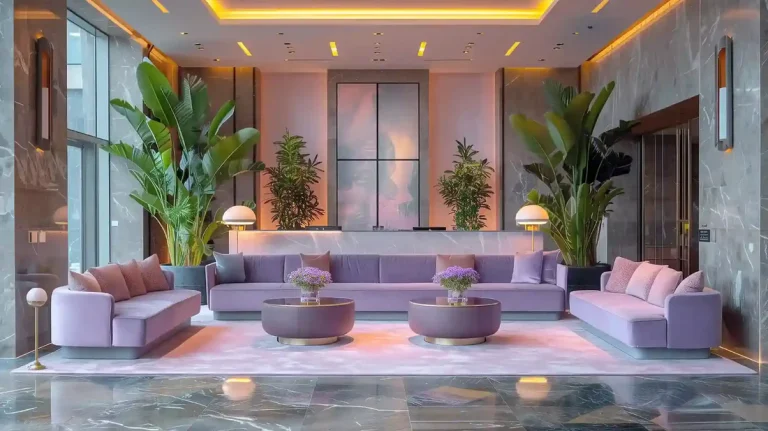

Minimalism has evolved. What once began as a stark aesthetic rebellion against excess has matured into a nuanced design philosophy that prioritizes intentionality, spatial clarity, and psychological comfort. In contemporary residential architecture, minimalist interior trends are no longer niche preferences reserved for avant-garde homeowners. They have become the prevailing visual language of modern living.
This dominance is not accidental. It is cultural. It is economic. It is psychological.
The Shift From Decoration to Deliberation
At the core of minimalist interior trends lies a fundamental recalibration: decoration has yielded to deliberation. Every object must justify its presence. Superfluity is edited out. Ornamentation is replaced with precision.
Short lines. Clean silhouettes. Controlled palettes.
The modern minimalist home is curated rather than decorated. Furniture is selected not merely for appearance, but for proportion, ergonomics, and spatial harmony. The result is an environment that feels measured rather than cluttered, intentional rather than impulsive.
Neutral Palettes With Subtle Complexity
Neutral color schemes remain foundational. However, contemporary minimalism is far from monochromatic monotony. Today’s minimalist interior trends rely on tonal layering to create depth without chaos.
Warm whites replace sterile ones. Greige bridges gray and beige. Taupe introduces sophistication. These tones interact with natural light throughout the day, subtly transforming the atmosphere without dramatic contrast.
The absence of vibrant chromatic distraction does not equate to visual emptiness. Instead, it enhances architectural form and material texture. Light becomes an active participant. Shadow becomes compositional.
Material Authenticity as Design Currency
Authenticity has replaced artificial gloss. Synthetic veneers are giving way to tactile materials that exhibit organic irregularity. Wood with visible grain. Limestone with porous character. Linen with natural creases.
Such materials introduce sensory nuance into restrained spaces. They speak softly, yet persuasively.
In many ways, minimalist interior trends are less about subtraction and more about elevation. When visual noise is reduced, material integrity takes center stage. Imperfection becomes aesthetic capital.
Furniture With Architectural Discipline
Furniture within minimalist environments adheres to structural clarity. Clean edges. Geometric integrity. Balanced proportions.
Bulky upholstery is being replaced by streamlined seating with exposed legs and low profiles. Tables feature slender frames and honest joinery. Storage units are integrated seamlessly into walls, often appearing as architectural extensions rather than standalone objects.
This discipline enhances visual continuity. It also amplifies spatial perception.
Through such calculated restraint, minimalist interior trends reinforce the illusion of expansiveness even within compact urban dwellings.
Open Spatial Narratives
Walls are receding. Boundaries are dissolving.
Open-concept layouts have become emblematic of contemporary minimalism. Living, dining, and kitchen areas merge into cohesive spatial narratives. The transition between zones is defined not by partitions, but by subtle shifts in lighting, flooring, or furniture orientation.
This fluidity promotes social interaction and maximizes natural light penetration. It also aligns with modern lifestyles that favor multifunctionality over rigid compartmentalization.
Within minimalist interior trends, openness is not merely structural. It is ideological.
Hidden Storage and Visual Silence
Clutter disrupts cognitive equilibrium. Modern minimalism addresses this through concealed storage solutions that maintain visual silence.
Cabinetry is flush. Handles are recessed or eliminated. Appliances are integrated behind paneling. Even shelving is curated to avoid overcrowding.
The objective is not emptiness for its own sake. It is clarity. When visual distractions diminish, the mind experiences subtle relief.
Thus, minimalist interior trends intersect with behavioral psychology, fostering environments that encourage calm focus and reduced overstimulation.
Lighting as Spatial Sculpture
Lighting has transcended utility. It has become sculptural.
Linear pendants, recessed LED strips, and indirect cove lighting are strategically employed to emphasize architectural lines. Fixtures are often minimalist in form yet precise in placement.
Natural light remains paramount. Large windows without heavy drapery allow daylight to wash over neutral surfaces, enhancing warmth and dimensionality.
In refined minimalist spaces, illumination is curated like art. And in doing so, minimalist interior trends elevate light to a design protagonist.
Sustainable Minimalism
Environmental consciousness has reshaped contemporary design priorities. Sustainability now underpins many minimalist interior trends.
Consumers increasingly favor ethically sourced wood, recycled materials, and energy-efficient systems. Durable furnishings are chosen over disposable decor. Quality supersedes quantity.
Minimalism inherently resists overconsumption. Fewer objects mean reduced resource expenditure. Longer product lifecycles mean diminished waste.
The aesthetic restraint thus mirrors ecological responsibility. Minimalism becomes both stylistic and ethical.
The Rise of Japandi and Soft Minimalism
One of the most influential submovements within minimalist interior trends is the fusion of Japanese and Scandinavian sensibilities, often referred to as Japandi.
This hybrid style combines Scandinavian warmth with Japanese simplicity. Natural woods, handcrafted ceramics, and understated textiles create atmospheres that feel serene yet inviting.
Unlike earlier iterations of minimalism that leaned austere, soft minimalism embraces comfort. Curved edges soften rigid lines. Textiles introduce tactility. Neutral palettes warm slightly.
The result is minimalism without coldness. Precision without sterility.
Technological Integration Without Visual Disruption
Modern homes are increasingly intelligent. Yet visible technology can disrupt minimalist coherence. The solution lies in discreet integration.
Televisions are wall-mounted flush with architectural panels. Smart speakers blend into shelving. Lighting systems are controlled via concealed interfaces.
Technology serves functionality without demanding attention.
This unobtrusive integration is a defining characteristic of advanced minimalist interior trends, where innovation coexists with aesthetic restraint.
Biophilic Underpinnings
Nature is entering minimalist spaces with renewed intention. Not through abundance, but through curated presence.
A single indoor tree. A carefully positioned stone basin. Textures that evoke natural landscapes.
Biophilic design principles align seamlessly with minimalist ideology. Both prioritize sensory clarity and environmental harmony.
Within minimalist interior trends, greenery acts as a living accent rather than ornamental excess.
Psychological Implications of Minimalist Living
The prevalence of minimalism cannot be separated from its psychological resonance. Contemporary life is saturated with information and stimulation. Homes, therefore, become sanctuaries of decompression.
Studies suggest that organized, uncluttered environments reduce stress and improve cognitive performance. Minimalist interiors foster this mental spaciousness.
The aesthetic restraint is not purely visual. It is experiential.
By embracing minimalist interior trends, homeowners are, in effect, designing for emotional equilibrium.
Flexibility and Adaptive Spaces
Modern residences must accommodate shifting functions: work, leisure, fitness, and socialization. Minimalism facilitates adaptability.
Modular furniture, foldable desks, and convertible spaces allow rooms to transform fluidly. The absence of excessive decor simplifies reconfiguration.
Such flexibility reflects contemporary living patterns. Homes are no longer static containers; they are dynamic ecosystems.
This adaptability reinforces the enduring relevance of minimalist interior trends.
Minimalism’s dominance in today’s residential landscape is neither superficial nor transient. It responds to spatial limitations, environmental concerns, and psychological needs with measured precision.
Neutral palettes anchor serenity. Authentic materials introduce depth. Architectural lighting sculpts atmosphere. Hidden storage preserves clarity. Sustainability enhances responsibility.
Short statements define its clarity.
Longer reflections reveal its complexity.
Ultimately, minimalist interior trends represent more than aesthetic preference. They embody a disciplined philosophy of living—one that values intentional design, spatial harmony, and the quiet luxury of simplicity.
About the Author