
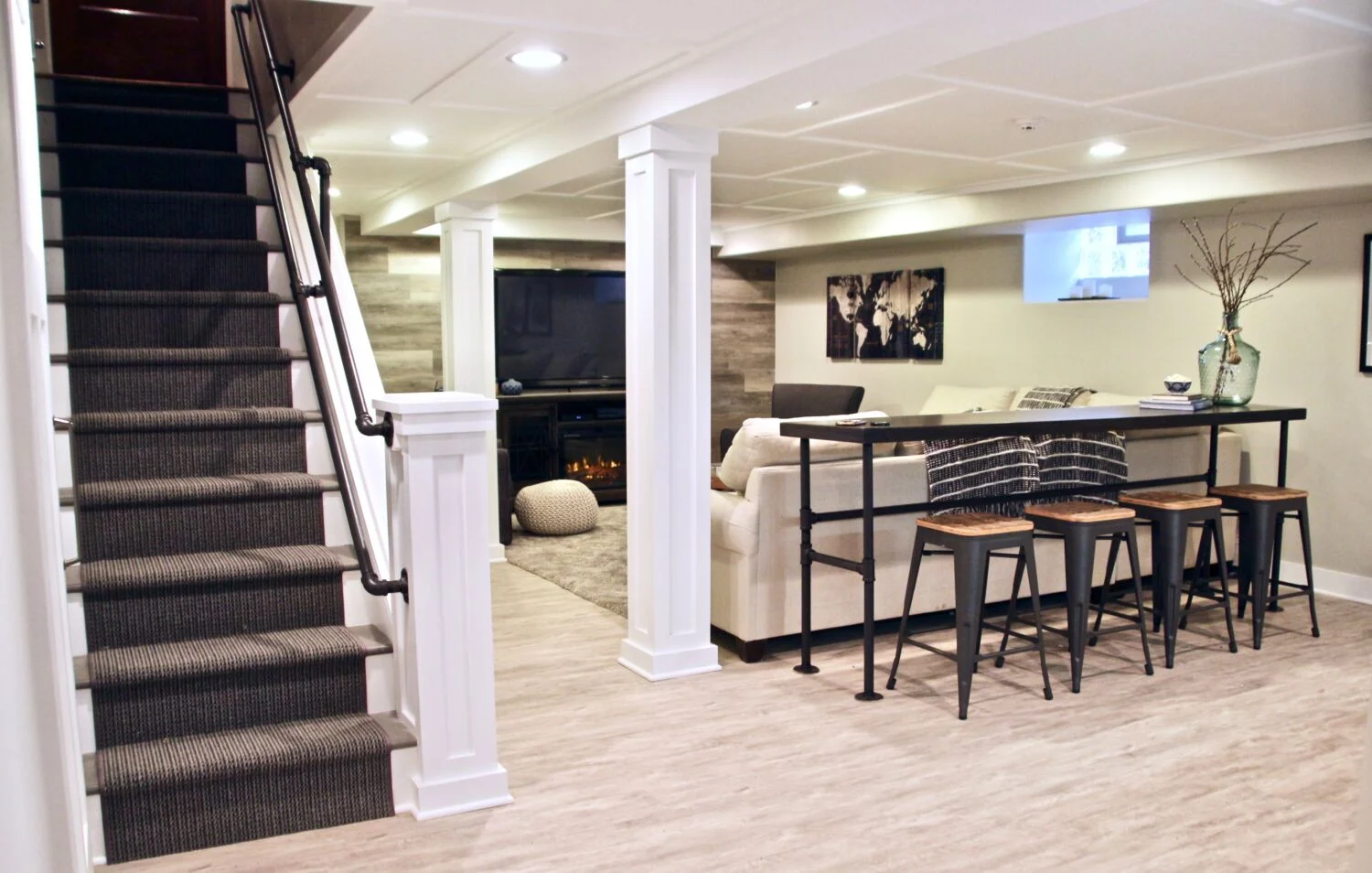
Transforming an unfinished basement into a functional, aesthetically appealing, and value-boosting living space is a strategic undertaking that blends creativity with technical precision. Homeowners frequently underestimate how a well-executed DIY Basement Finishing project can reshape the dynamics of a home—offering extra room, improved property value, and a tailored environment that serves personal needs. With the right sequence of steps, a thoughtful plan, and a disciplined execution, even a novice can navigate the journey from raw concrete to a polished, habitable extension of their living space.
Below is a comprehensive guide that breaks down the essential stages of finishing a basement. The process requires both vigilance and vision. Short, decisive actions complement broader, more nuanced strategies. Together, they create a roadmap for success.
Understanding the Baseline: Evaluating the Existing Space
Every project begins with diagnosis. Before any structural or aesthetic decisions can be made, an accurate understanding of the baseline environment is indispensable. Basements are notorious for moisture issues, temperature inconsistencies, and inadequate lighting. An analytical approach at the outset prevents costly mistakes later.
Inspect the foundation walls carefully. Look for efflorescence—those chalky deposits that signal moisture intrusion. Observe any fissures or hairline cracks. While some irregularities are superficial, others may indicate structural concerns. Assessing humidity levels is equally crucial. A simple hygrometer can reveal whether the environment requires dehumidification prior to framing or insulation.
Airflow tends to be limited in subterranean spaces. Poor circulation can lead to stale odors or excessive dampness. Addressing ventilation early sets the tone for a healthier environment after the space is finished.
This preliminary assessment ensures the conditions are safe, stable, and conducive for the subsequent phases of DIY Basement Finishing.
Step 1: Establish a Comprehensive Layout Plan
The most successful renovation journeys begin on paper. Your layout becomes the architectural backbone of the entire project. This is where intentionality matters. Long-term functionality should prevail over short-term convenience.
Consider the following elements when drafting your blueprint:
-
Zone Allocation: Are you envisioning a home theater, an additional bedroom, a gym, or an office? Different zones may require customized lighting, soundproofing, or flooring.
-
Traffic Flow: Logical movement patterns prevent the space from feeling cramped or disjointed.
-
Mechanical Systems: Furnaces, water heaters, and sump pumps require clearance. Building codes typically mandate specific spacing.
-
Egress Points: For bedrooms or habitable rooms, safety standards require emergency exits.
A meticulous plan eliminates ambiguity later in the process. It also serves as a compass when the project becomes increasingly complex.
Step 2: Implement Moisture Control Measures
Basements demand preemptive moisture management. Even if structural inspection reveals no current issues, future infiltration remains a possibility. Thus, applying resilient moisture control techniques is non-negotiable.
Start with sealing any noticeable cracks using high-quality hydraulic cement. Walls may also benefit from a waterproofing membrane or paint formulated specifically for below-grade environments. If the space has a history of water seepage, installing a perimeter drainage system or upgrading the sump pump may be warranted.
A vapor barrier—typically a polyethylene sheet—adds an additional layer of protection. It prevents moisture from migrating into insulation or drywall, preserving the integrity of the finish for years to come.
Proactive mitigation ensures your DIY Basement Finishing process evolves without the risk of future deterioration.
Step 3: Frame the Walls with Precision
Once the environment is controlled, framing begins. It’s a structural orchestration that defines the skeletal framework of your new interior.
Pressure-treated lumber is recommended for the bottom plates due to their contact with concrete. Non-treated studs can then be used to complete the vertical structure. Maintain a slight gap between the framing and the foundation wall to ensure airflow and minimize contact with potential moisture.
Use a chalk line to maintain plumb and level alignment. Frames that are slightly off balance can create cascading issues as the project continues—crooked drywall, uneven flooring, and misaligned fixtures.
Electrical wiring and plumbing rough-ins will be integrated in this stage, so your framing must abide by local building codes. Strategic foresight avoids the need for costly modifications once the walls are enclosed.
Step 4: Install Insulation for Comfort and Efficiency
Basements naturally retain cold air, making proper insulation essential for comfort and energy efficiency. Depending on the climate and structural configuration, you may choose from rigid foam boards, fiberglass batts, or spray foam insulation.
Rigid foam offers moisture resistance and thermal stability. It’s ideal for the space between the foundation and framing. Fiberglass batts are cost-effective and simple to install. Spray foam, while pricier, delivers an airtight seal that prevents heat loss and air leaks.
Soundproofing insulation may also be considered, especially if the basement includes entertainment areas or bedrooms. This added barrier enhances the acoustic experience and protects privacy.
Insulating meticulously elevates the overall quality of your DIY Basement Finishing project and contributes to long-term energy savings.
Step 5: Electrical and Plumbing Rough-Ins
This phase requires exactitude. Electrical wiring must follow standardized safety parameters. Dedicated circuits for high-load appliances, GFCI outlets in utility zones, and code-compliant lighting placement are critical considerations.
Plumbing rough-ins, if applicable, involve setting drains, vent pipes, and supply lines before walls are closed. Whether you plan to install a bathroom, wet bar, or laundry area, the groundwork must be laid with foresight. Improper plumbing installation can lead to structural headaches later.
While some homeowners perform basic electrical or plumbing work themselves, many prefer hiring licensed professionals for this stage. The long-term reliability and safety it yields often justify the investment.
Step 6: Drywall, Finishing, and Surface Refinement
With the skeleton built and systems integrated, the visual transformation begins. Drywall installation creates the clean canvas upon which your basement’s aesthetic will flourish.
Use moisture-resistant drywall, especially in areas prone to dampness. Once hung, joints are taped and mudded to create a seamless finish. Sanding must be done with patience to avoid uneven textures or ridges.
After the drywall is primed, paint selection becomes the next focal point. Light, neutral hues expand underground spaces visually. They reflect light efficiently and contribute to a sense of airiness. Accent walls or textured finishes can be introduced for added character.
This stage encapsulates the identity of your DIY Basement Finishing project, merging structural discipline with stylistic expression.
Step 7: Flooring Solutions Tailored for Subterranean Use
Flooring plays a pivotal role in comfort and durability. Basements require materials that can withstand potential moisture—whether unexpected leaks or routine humidity changes.
Popular choices include:
-
Luxury Vinyl Plank (LVP): Resistant to moisture, highly durable, and visually versatile.
-
Engineered Hardwood: A refined choice but requires proper subfloor installation.
-
Carpet Tiles: Warm, replaceable, and ideal for family-friendly spaces.
-
Epoxy Coatings: Industrial, sleek, and impervious to moisture.
Before installation, ensure the concrete slab is level and free from cracks. Subfloor systems with built-in vapor barriers can also add insulation and prevent cold transfer.
Step 8: Lighting Strategy to Illuminate the Space
Lighting profoundly influences the mood and functionality of a basement. Due to limited natural light, a layered illumination strategy is vital.
Recessed lighting provides an unobtrusive, evenly distributed base layer. Wall sconces add warmth and vertical depth. Pendant lights or track fixtures can accentuate specific areas like bars or lounge zones.
Smart lighting options allow homeowners to adjust intensity and color temperature, creating dynamic ambiances with minimal effort.
A well-lit basement feels inviting rather than subterranean.
Step 9: Add Trim, Fixtures, and Personal Touches
This is where personality takes center stage. Trim work—baseboards, crown molding, and casings—adds polish and architectural harmony. Fixtures such as shelving, cabinetry, and built-ins elevate utility.
Textures and décor should complement the intended function of the space. Plush seating for lounges. Minimalist styling for home offices. Acoustic panels for media rooms. The choices are endless yet purposeful.
Every detail reinforces the sophistication and completeness of your DIY Basement Finishing initiative.
Step 10: Final Inspection and Long-Term Maintenance
Before celebrating your newly finished basement, conduct a thorough inspection. Check outlets, lighting, water lines, and wall integrity. Confirm that egress windows operate smoothly and safety devices such as smoke detectors function correctly.
Finally, establish a maintenance routine. Monitor humidity, clean vents, and periodically check for signs of moisture. These small habits protect your investment and ensure the longevity of your project.
About the Author