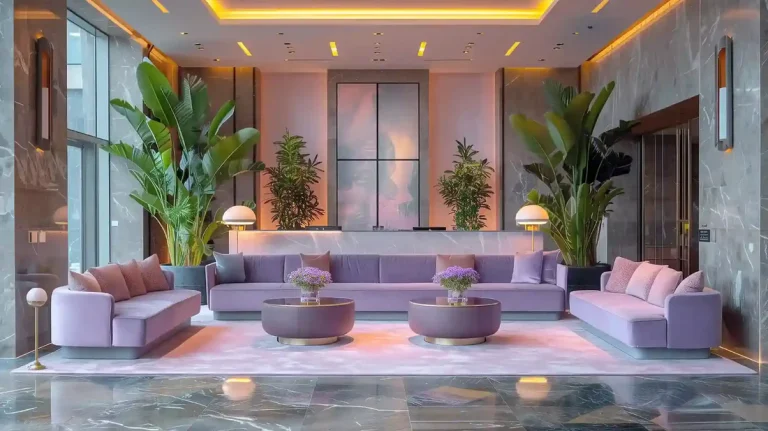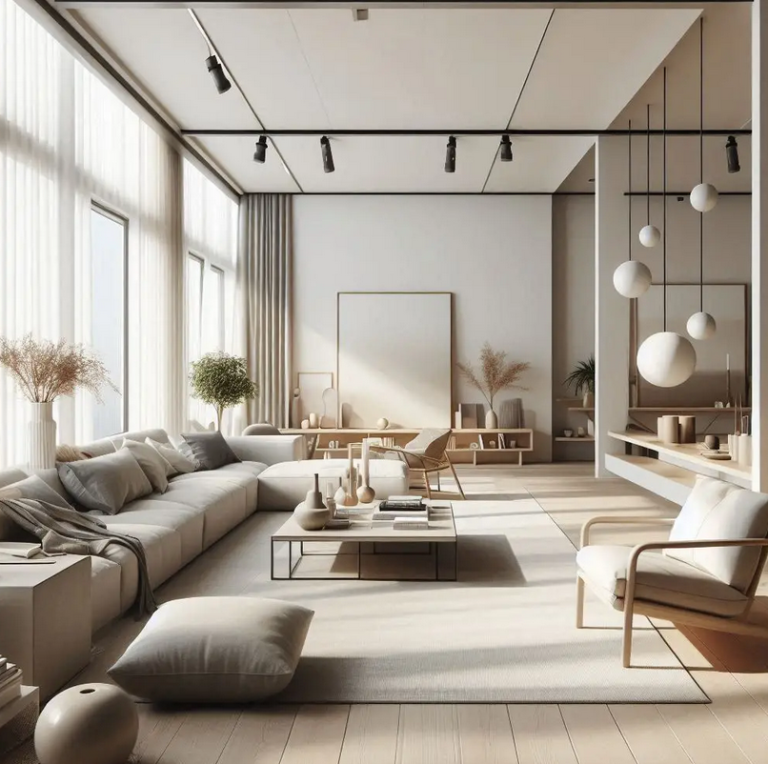

The art of living in a well-curated environment extends beyond aesthetic appeal; it directly influences functionality, psychological well-being, and spatial efficiency. Among contemporary approaches to interior aesthetics, Minimalist Interior Design has emerged as a paradigm that transcends mere decoration. It prioritizes clarity, intentionality, and harmony, transforming ordinary spaces into environments that are both visually serene and functionally optimized. This methodology emphasizes quality over quantity, and deliberate restraint over clutter, fostering an atmosphere of sophistication and tranquility.
The Philosophy Behind Minimalism
At its core, Minimalist Interior Design is a philosophical approach to inhabiting space. It operates on the principle that fewer elements, when thoughtfully selected, produce a more significant impact than an abundance of décor. Minimalism is not simply about removing items; it is about intentionality in every selection. Each piece serves a purpose—whether functional, aesthetic, or symbolic—eliminating unnecessary distractions and emphasizing spatial clarity.
This philosophy extends beyond visual simplicity. By reducing environmental stimuli, minimalism creates a sense of mental calm and encourages mindful living. The absence of clutter is not merely physical but also psychological, fostering focus, creativity, and a deeper appreciation of one’s surroundings.
Spatial Optimization and Flow
One of the most tangible benefits of Minimalist Interior Design is the enhancement of spatial efficiency. Open layouts, strategically placed furniture, and deliberate negative space maximize the perception of roominess. By minimizing obstruction and visual noise, spaces feel more expansive, breathable, and navigable.
Spatial flow is a central consideration. Thoughtful placement of furnishings creates natural pathways and enhances the usability of the environment. In minimalist interiors, circulation is not an afterthought but an integral aspect of design. This meticulous attention to movement and proportion ensures that every square foot serves a functional or aesthetic purpose.
Color Palettes and Tonal Harmony
Color selection is pivotal in Minimalist Interior Design, with a preference for neutral tones, muted shades, and monochromatic schemes. Whites, grays, beiges, and soft earth tones create a tranquil foundation, allowing architectural lines and key design elements to stand out.
Accents are used sparingly, often through textures, materials, or subtle pops of color. This strategic restraint enhances focal points without overwhelming the senses. Tonal harmony contributes not only to visual cohesion but also to psychological comfort, fostering an environment that is both calming and inviting.
Materiality and Texture
Material choice in minimalist interiors emphasizes authenticity, durability, and tactile engagement. Natural materials—wood, stone, metal, and glass—feature prominently, providing both visual interest and functional reliability. The deliberate juxtaposition of textures enhances depth, allowing spaces to feel dynamic despite their restrained aesthetic.
Minimalist Interior Design often employs subtle contrasts: smooth surfaces against rough-hewn elements, matte finishes alongside reflective panels, and soft textiles against structural components. These textural interactions add richness and complexity without compromising the overarching sense of simplicity.
Furniture Selection and Functionality
Furniture in a minimalist environment serves dual purposes: functionality and sculptural presence. Each piece is meticulously chosen for its proportion, material quality, and contribution to overall spatial harmony. Bulkiness is avoided; instead, clean lines and geometric forms dominate, reinforcing the visual serenity characteristic of minimalist spaces.
Modular and multi-functional furniture is particularly valuable. Pieces that combine storage, seating, and display capabilities reduce the need for superfluous items, thereby maintaining spatial clarity. Minimalist Interior Design prioritizes intentionality over excess, ensuring that furniture fulfills both practical needs and aesthetic goals.
Lighting and Ambience
Lighting is a crucial determinant of atmosphere within minimalist interiors. Natural light is harnessed wherever possible, accentuating architectural features, enhancing color fidelity, and creating dynamic spatial perceptions throughout the day.
Artificial lighting is employed strategically. Layered illumination—including ambient, task, and accent lighting—provides flexibility while highlighting key design elements. In Minimalist Interior Design, lighting is not merely functional; it serves as a compositional tool, sculpting shadows, emphasizing textures, and reinforcing mood.
Decluttering and Organizational Systems
Decluttering is a fundamental principle of Minimalist Interior Design, yet effective organization is equally critical. Minimalism is not synonymous with emptiness; rather, it emphasizes purposeful storage and concealed systems that preserve the aesthetic of simplicity.
Built-in cabinetry, under-furniture storage, and multifunctional shelving enable residents to maintain a clean environment without sacrificing convenience. Thoughtful organization ensures that every item has a designated place, minimizing visual chaos and reinforcing the overall ethos of intentionality.
Psychological and Emotional Benefits
The psychological impact of Minimalist Interior Design is profound. Research suggests that uncluttered, orderly environments reduce stress, enhance cognitive clarity, and promote relaxation. Spatial simplicity allows the mind to focus on essential tasks and experiences, fostering productivity and emotional equilibrium.
Beyond cognitive benefits, minimalist spaces cultivate an aesthetic appreciation that encourages mindfulness and intentional living. Residents engage more deeply with their environment, finding satisfaction in subtle design details and the functional elegance of their surroundings.
Integrating Art and Personal Expression
Contrary to misconceptions, minimalism does not preclude personal expression or artistic engagement. Rather, art and décor are curated with intention. Singular statement pieces—paintings, sculptures, or curated objects—provide focal points without overwhelming the spatial narrative.
Minimalist Interior Design encourages intentional storytelling through selected pieces. Each item communicates value and significance, contributing to a coherent visual and conceptual identity. By limiting quantity, the impact of each object is magnified, reinforcing both aesthetic and emotional resonance.
Sustainability and Longevity
Sustainability aligns naturally with minimalist principles. Emphasizing quality over quantity reduces environmental impact by discouraging overconsumption. Durable, timeless materials extend the lifespan of furnishings, while modular designs allow for adaptation rather than replacement.
Minimalist Interior Design promotes conscious purchasing and responsible material selection, supporting long-term ecological and economic viability. This approach integrates ethical considerations into aesthetic practice, demonstrating that environmental responsibility and design excellence are not mutually exclusive.
Technology Integration
Modern minimalist interiors seamlessly incorporate technology without compromising visual clarity. Smart home systems, integrated sound solutions, and concealed wiring maintain a clean aesthetic while enhancing convenience and functionality.
Minimalist Interior Design emphasizes the discreet integration of technology. Devices are selected for efficiency, compactness, and aesthetic compatibility, ensuring that technological enhancements augment rather than detract from the spatial narrative.
The transformative power of Minimalist Interior Design extends beyond surface aesthetics, influencing spatial efficiency, psychological well-being, and functional harmony. By prioritizing intentionality, material authenticity, and curated simplicity, minimalist interiors elevate ordinary spaces into environments of tranquility and elegance.
From strategic furniture placement to nuanced lighting, textural contrasts, and selective art integration, every aspect of design is deliberate, purposeful, and meaningful. Minimalism fosters clarity in both the physical and psychological realms, creating spaces that are not only visually appealing but also profoundly conducive to mindful living. In an era marked by sensory overload and rapid consumption, embracing minimalist design principles provides a refuge of calm, refinement, and enduring beauty.
About the Author