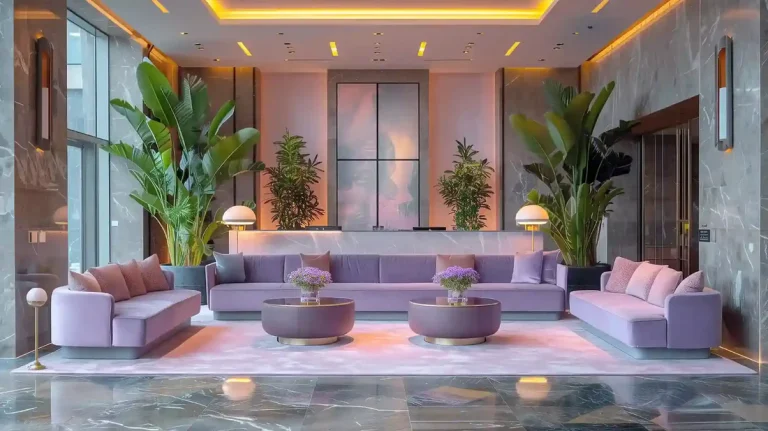

In the contemporary landscape of home decor, simplicity and functionality have transcended mere aesthetic choices to become a lifestyle statement. Among these evolving design philosophies, minimalism stands out as a timeless approach that emphasizes clean lines, open spaces, and intentional design choices. Understanding the latest minimalist interior design trends can help homeowners and designers alike craft living spaces that are not only visually appealing but also highly functional and serene.
Minimalism is not simply about reducing clutter; it is an ideology that blends utility with elegance. In modern interiors, the focus has shifted from sheer ornamentation to purposeful design. Each element in a room serves a dual purpose: aesthetic appeal and practical function. This philosophy has catalyzed the emergence of minimalist interior design trends that prioritize spatial harmony, light, and material quality over excess.
1. Neutral Color Palettes and Monochromatic Schemes
One of the most defining characteristics in minimalist interior design trends is the emphasis on neutral tones. Whites, beiges, soft greys, and muted pastels dominate the color spectrum, creating a calm and unobtrusive backdrop. Monochromatic schemes further enhance spatial perception, making rooms appear larger and more cohesive.
Accents are often introduced through natural textures, such as linen, wood, or stone, rather than bold, contrasting colors. This restrained approach not only supports visual tranquility but also allows architectural details and furniture forms to take center stage without overwhelming the eye.
2. Open Floor Plans and Spatial Fluidity
Open layouts are a hallmark of contemporary minimalism. Removing unnecessary partitions and embracing fluidity between living, dining, and kitchen areas enhances both functionality and perception of space.
These open floor plans embody one of the most prominent minimalist interior design trends: spatial liberation. By eliminating visual barriers, interiors feel more expansive and light-infused, encouraging circulation and interaction while maintaining a sense of order.
3. Multifunctional Furniture and Modular Solutions
Efficiency is at the core of minimalism, and furniture plays a crucial role in optimizing living spaces. Multifunctional and modular pieces are increasingly favored, offering storage solutions without sacrificing design elegance.
From extendable dining tables to sofas with hidden compartments, contemporary design emphasizes adaptability. The use of modular systems allows homeowners to customize layouts according to evolving needs, reflecting one of the most practical minimalist interior design trends: flexibility without visual clutter.
4. Integration of Natural Materials
Organic textures and materials bring warmth and subtle sophistication to minimalist interiors. Wood, stone, and natural fibers like jute or cotton are increasingly incorporated to provide tactile contrast and visual depth.
Natural elements serve a dual function: they create sensory balance while reinforcing the minimalistic ethos of simplicity and authenticity. Incorporating greenery, such as potted plants or indoor gardens, aligns with biophilic principles, enhancing the mental and emotional well-being of inhabitants—a subtle yet impactful dimension of modern minimalist interior design trends.
5. Statement Lighting as Functional Art
Lighting in minimal interiors is not just about illumination; it is a pivotal design component. Contemporary minimalist interior design trends highlight statement lighting fixtures as functional art, combining sculptural form with utility.
Suspended pendants, geometric chandeliers, and recessed LED strips offer both aesthetic appeal and spatial definition. Layered lighting techniques, including ambient, task, and accent lighting, accentuate architectural features while maintaining the uncluttered ethos of minimalism.
6. Textural Contrasts and Subtle Layering
While minimalism is often associated with sparseness, contemporary trends favor subtle layering and textural contrasts to enrich visual interest. A minimalist living room may juxtapose smooth concrete surfaces with plush textiles, or matte cabinetry with reflective metallic accents.
These nuanced contrasts prevent spaces from appearing sterile or monotonous. Designers are increasingly experimenting with tactile diversity, allowing residents to experience interiors through touch as well as sight—a sophisticated dimension of current minimalist interior design trends.
7. Minimalist Art and Curated Decor
Art and decor in minimalist interiors are carefully curated rather than mass-displayed. The philosophy is “less is more,” focusing on select pieces that convey meaning, create focal points, and complement the overall design language.
Wall-mounted artworks, sculptural objects, and carefully chosen books or vases serve as subtle statements, enhancing the aesthetic without overcrowding the visual field. This curated approach reflects the intellectual and emotional clarity central to minimalist interior design trends.
8. Concealed Storage and Clutter-Free Zones
A defining principle in minimalism is the elimination of visual clutter. Modern minimalist interior design trends advocate for concealed storage solutions that maintain clean lines and uninterrupted surfaces.
Built-in cabinetry, hidden compartments, and floating shelves allow personal items to be stored discreetly, contributing to a sense of serenity. Decluttered spaces foster mental clarity, emphasizing that minimalism is as much a lifestyle choice as a design aesthetic.
9. Technology Integration Without Intrusion
Smart home technology is seamlessly integrated into minimalist interiors, emphasizing functionality without compromising aesthetic purity. Concealed wiring, flush-mounted controls, and minimalist devices allow residents to enjoy technological convenience while maintaining visual simplicity.
This integration embodies a key minimalist interior design trend: harmonizing modern innovation with understated elegance. Homeowners benefit from efficiency, comfort, and aesthetic cohesion in one carefully orchestrated design ecosystem.
10. Emphasis on Quality Over Quantity
Minimalist interiors prioritize quality materials, craftsmanship, and design longevity over the accumulation of decorative elements. Investing in well-crafted furniture, durable finishes, and timeless pieces ensures that each item contributes value and longevity to the space.
This focus on selective, intentional choices exemplifies contemporary minimalist interior design trends, where sustainability and practicality are intertwined with aesthetic refinement. Fewer but high-quality elements define a living environment that is both elegant and enduring.
Implementing Minimalist Design in Your Home
For those seeking to embrace these minimalist interior design trends, several practical steps can be undertaken:
-
Audit Your Space: Identify essential items and eliminate superfluous decor.
-
Choose a Neutral Palette: Opt for soft, muted colors to create a serene atmosphere.
-
Invest in Multifunctional Furniture: Select pieces that maximize utility without compromising style.
-
Incorporate Natural Elements: Use wood, stone, or greenery to add warmth and texture.
-
Plan Lighting Strategically: Combine ambient, task, and accent lighting to enhance space.
-
Curate Art and Accessories: Select meaningful pieces to create visual focal points.
-
Prioritize Quality: Focus on durable materials and timeless designs to ensure long-term value.
Implementing these strategies transforms interiors into serene, functional sanctuaries that reflect both contemporary sophistication and personal lifestyle priorities.
The appeal of minimalist interior design extends beyond aesthetic simplicity; it embodies a lifestyle of intentionality, clarity, and functional elegance. Adopting minimalist interior design trends allows homeowners to create spaces that are visually calm, practically efficient, and emotionally restorative.
From neutral palettes and open layouts to multifunctional furniture and integrated technology, these trends collectively define a modern approach to living that prioritizes purpose over excess. Thoughtful incorporation of natural materials, textural layering, curated decor, and concealed storage ensures interiors remain both stimulating and tranquil.
Ultimately, minimalism is more than a visual style—it is a philosophy that harmonizes form, function, and human experience. By embracing the latest minimalist interior design trends, residents can cultivate living spaces that are sleek, purposeful, and timelessly sophisticated, reflecting a deeper understanding of balance, quality, and spatial intelligence.
About the Author