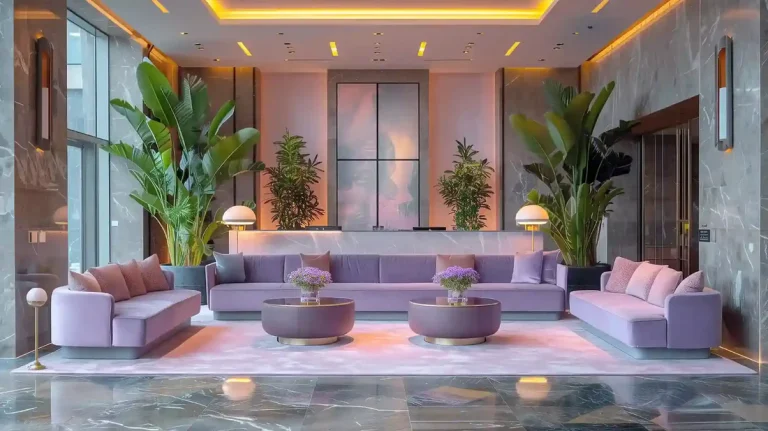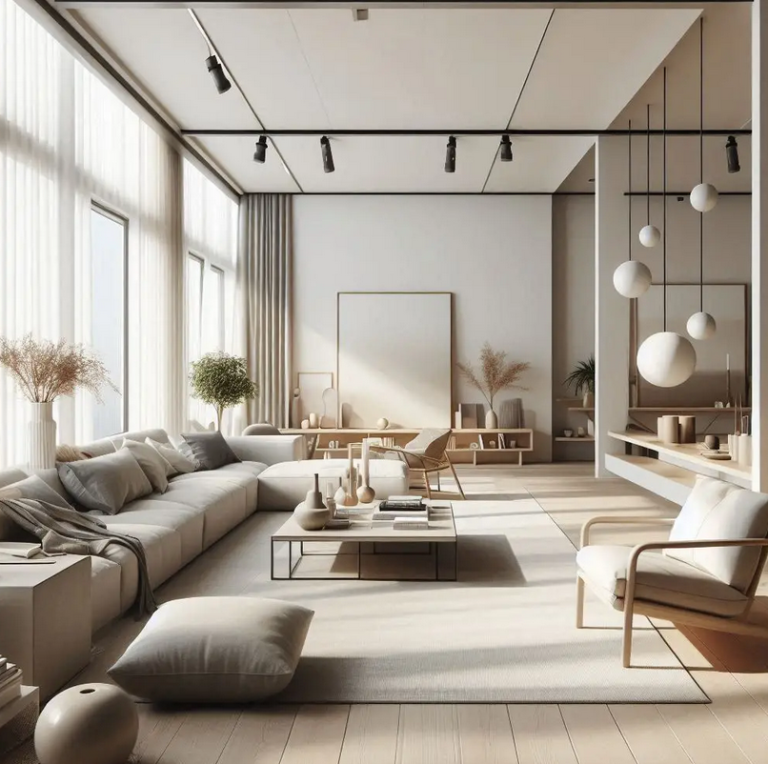

As the world of interior design evolves at a breakneck pace, 2025 promises to be a year where innovation meets timeless sophistication. Homeowners and designers alike are seeking ways to merge functionality with aesthetics, creating spaces that are not only beautiful but also deeply personal and sustainable. The surge in technology, environmental awareness, and cultural diversity has dramatically shaped how we perceive living spaces. Against this backdrop, the modern interior design trends of 2025 are set to revolutionize the way we live, work, and unwind.
This comprehensive guide delves into the most compelling trends that will dominate interior design in 2025, offering insights that can help transform your space into a cutting-edge yet welcoming sanctuary.
1. Biophilic Design: Nature Indoors, Reimagined
Biophilic design continues its meteoric rise, but in 2025, it transcends mere greenery and plants. It’s about crafting a visceral connection to nature using an eclectic mix of natural materials, organic shapes, and sensory experiences.
Wood grains with exaggerated textures, stone surfaces carved with artisanal precision, and woven fibers that evoke tactile richness become central. The emphasis is on multisensory immersion — think the subtle sound of water features, natural light that dances through kinetic shading systems, and even aromas infused through innovative diffusers that mimic forest freshness.
This trend reflects an intrinsic human need for wellbeing and grounding, fostering calm in an increasingly digital and frenetic world.
2. Bold Contrasts and Eclectic Palettes
Color theory in 2025 abandons the muted for the dramatic. The modern interior design trends now celebrate audacious contrasts—think deep navy blues paired with burnished gold, or terracotta hues clashing against cool steel greys. This juxtaposition crafts spaces that are energetic yet harmonious.
Palette layering is no longer linear. Rather, it embraces complexity: jewel tones blend with soft pastels, and unexpected pops of neon inject playful vibrancy. This chromatic bravado challenges the traditional boundaries of modern design, making rooms feel dynamic and alive.
3. Multifunctional Spaces with Fluid Boundaries
With urban dwellings shrinking and work-from-home becoming ubiquitous, the delineation of spaces is being rethought entirely. One of the hallmark modern interior design trends is the creation of multifunctional environments where zones blend seamlessly.
Sliding panels crafted from lightweight, translucent materials allow spaces to shift in usage effortlessly — from an office by day to a cozy reading nook by night. Furniture is modular and adaptive; a coffee table expands into a dining table, and ottomans double as storage units.
This fluidity enhances spatial efficiency without sacrificing style, reflecting a lifestyle that values flexibility and smart design.
4. Sustainable Luxury: Ethical Materials Take Center Stage
Sustainability is no longer a niche concern but a core principle of 2025’s modern interior design trends. The ethos of ‘ethical luxury’ permeates materials selection and craftsmanship.
Expect to see reclaimed hardwoods with rich histories, recycled metals shaped into sleek fixtures, and textiles dyed with natural, low-impact pigments. Artisanal techniques—once considered outdated—are revived, underscoring quality over quantity.
This approach elevates interiors by combining opulence with responsibility, creating environments that are both exquisite and environmentally conscientious.
5. Curvilinear Forms and Sculptural Furniture
Sharp angles and rigid lines gradually cede ground to sinuous curves and organic forms. Curvilinear furniture pieces — from voluptuous sofas to rounded credenzas — bring softness and sensuality to interiors.
Designers employ these sculptural forms not just for comfort but as visual anchors that demand attention. The tactile allure of velvet upholstery, the sleek gleam of lacquered finishes, and the artistry of hand-carved wooden legs converge to form living art.
This trend invites spaces to breathe, embracing imperfection and fluidity in an era craving human touch amidst digital precision.
6. Statement Ceilings: The Fifth Wall Emerges
Ceilings in 2025 evolve from functional surfaces to dynamic canvases. The ‘fifth wall’ becomes a focal point through the application of innovative textures, bold colors, and intricate patterns.
From hand-painted murals to geometric plasterwork and exposed timber beams arranged in artistic formations, ceilings invite upward gazes and enrich spatial narratives.
Lighting integrates artfully here as well, with recessed LED strips highlighting contours and embedded light sculptures creating ambient spectacles.
7. Tech-Integrated Minimalism
Technology weaves itself invisibly into interiors, blending sophistication with subtlety. Minimalism morphs to accommodate smart systems that are elegantly integrated rather than obtrusive.
Touchless faucets, voice-controlled lighting, and automated blinds coalesce into intuitive ecosystems that prioritize ease without compromising aesthetic integrity.
Materials with embedded sensors that monitor air quality and adjust environmental parameters in real-time are gaining traction. This intersection of form and function is a hallmark of 2025’s modern interior design trends.
8. Textural Layering and Material Fusion
Surface treatment takes center stage, with an emphasis on textural contrasts that engage the senses. Matte finishes collide with high gloss, smooth metals contrast with rough-hewn stone, and soft fabrics juxtapose against rigid ceramics.
This interplay creates depth and complexity, encouraging tactile exploration within a room. Innovative composite materials and 3D-printed textures push boundaries further, making each surface a statement of design ingenuity.
9. Maximalist Details and Artistic Flourishes
While minimalism retains a stronghold, maximalism’s resurgence introduces intricate detailing and eclectic ornamentation as a counterbalance.
Wallpaper with elaborate patterns, velvet draperies, layered rugs, and curated collections of art bring personality and warmth. The interplay between restraint and excess is nuanced, ensuring spaces feel rich but not overwhelming.
This tension creates rooms that tell stories—an important facet of modern interior design trends that emphasize individuality.
10. Global Inspirations with Local Craftsmanship
Designers increasingly draw from a global palette, fusing cultural motifs with local artisanal practices. Moroccan tile patterns may grace Scandinavian-style kitchens; Japanese wabi-sabi philosophies might underpin Mediterranean interiors.
This cross-cultural dialogue enhances authenticity and respect for craftsmanship, producing interiors that are cosmopolitan yet deeply rooted.
The embrace of global influences manifests not only in aesthetics but also in philosophy, with spaces reflecting values of mindfulness, heritage, and sustainability.
Implementing the Trends: Practical Tips for Homeowners
Integrating these modern interior design trends into your home can seem daunting, but it’s all about gradual, thoughtful transformation.
-
Start Small: Introduce statement ceilings in one room before extending the concept throughout.
-
Embrace Texture: Layer cushions, throws, and rugs with varied materials for tactile richness.
-
Choose Versatile Furniture: Invest in modular pieces that adapt to changing needs.
-
Incorporate Biophilic Elements: Add natural light sources and indoor plants to foster wellbeing.
-
Opt for Ethical Materials: Seek out reclaimed or sustainably sourced products.
-
Experiment with Color: Don’t shy away from bold palette contrasts; start with accent walls or accessories.
-
Blend Technology Seamlessly: Upgrade appliances and fixtures that integrate effortlessly without disrupting design flow.
Future Outlook: The Evolution of Interior Design Beyond 2025
The modern interior design trends emerging in 2025 are merely the precursors of a broader shift towards experiential, sustainable, and adaptive living environments.
As artificial intelligence becomes more involved in design decision-making, and as materials science introduces smart surfaces and dynamic architectures, the homes of the future will be living entities—responsive, personalized, and profoundly connected to both occupants and the planet.
The key to embracing this evolution lies in balancing innovation with timelessness, ensuring spaces remain sanctuaries amid rapid change.
The top modern interior design trends to watch in 2025 weave together technology, sustainability, artistry, and cultural richness. These trends encourage individuality, adaptability, and ecological mindfulness while celebrating beauty and comfort.
By thoughtfully incorporating biophilic elements, bold palettes, multifunctional designs, and ethical materials, homeowners can create interiors that not only look forward but also honor the essence of living well.
2025 heralds a design renaissance—one where every element, from ceiling to floor, tells a story of innovation, heritage, and human connection.
Embrace these trends to craft a home that resonates with your lifestyle and stands as a testament to the future of modern living.
About the Author