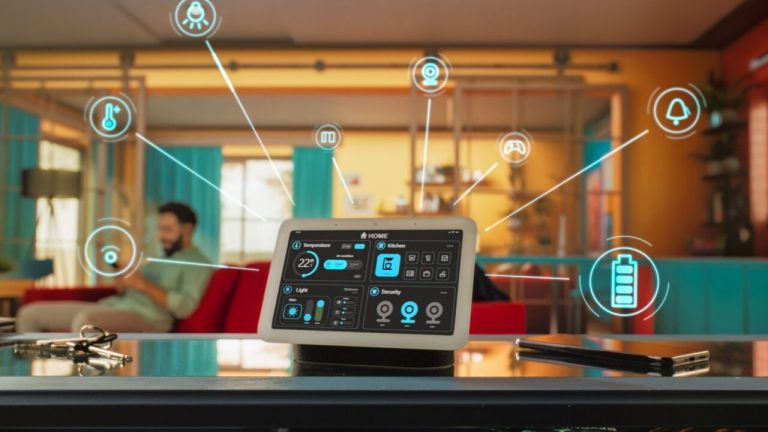

In today’s world, where sustainability and technological advancement converge, the importance of integrating energy-efficient smart devices into our homes cannot be overstated. These innovations are not merely about convenience; they are critical components in reducing carbon footprints, optimizing energy consumption, and fostering a smarter, greener lifestyle. The advent of smart home technology has unlocked unprecedented capabilities, enabling homeowners to take control of their environments with precision and ease, all while ensuring that energy use remains minimal and efficient.
This comprehensive guide delves into the best energy-efficient smart devices available for residential use. From intelligent thermostats that adapt to your routine, to smart lighting systems that dynamically respond to your presence, and cutting-edge appliances engineered for optimal power usage—this article will explore how these devices revolutionize home management. With insights into their functionalities, benefits, and practical applications, you will be well-equipped to curate a sustainable smart home ecosystem that elevates comfort while championing environmental responsibility.
Understanding Energy-Efficient Smart Devices: A Paradigm Shift in Home Management
Before exploring individual products, it is vital to understand what distinguishes energy-efficient smart devices from conventional gadgets. These devices integrate advanced sensors, connectivity, and intelligent algorithms to monitor and regulate energy consumption actively. Rather than functioning on a simple on/off basis, they adjust their performance based on real-time data, user habits, and environmental conditions.
For instance, a smart thermostat learns when you are home or away and modulates heating and cooling accordingly, avoiding unnecessary energy expenditure. Similarly, smart lighting can dim or switch off when rooms are unoccupied, while smart plugs can cut power to devices in standby mode. This intelligent energy management not only reduces electricity bills but also prolongs the life span of appliances, offering economic and ecological benefits.
1. Smart Thermostats: The Cornerstone of Energy Efficiency
Among the most transformative energy-efficient smart devices are smart thermostats. These devices replace traditional thermostats with digital models capable of learning user preferences and adapting heating and cooling schedules dynamically.
Features and Advantages:
-
Adaptive Learning: Uses AI to understand daily routines.
-
Remote Control: Access and adjust settings via smartphones.
-
Geofencing: Adjusts climate based on the homeowner’s proximity.
-
Energy Usage Reports: Provides insights and tips for energy saving.
Leading Examples:
-
Nest Learning Thermostat: Pioneering in adaptive technology, it can reduce heating and cooling costs by up to 15%.
-
Ecobee SmartThermostat: Comes with occupancy sensors and integrates with voice assistants for hands-free control.
Smart thermostats contribute significantly to reducing unnecessary energy consumption, making them an indispensable part of any energy-efficient smart device ensemble.
2. Intelligent Lighting Systems: Beyond Illumination
Lighting accounts for a substantial portion of household energy use. The transition to LED lighting was a leap forward, but the integration of smart technology elevates energy conservation to a new dimension.
Key Features:
-
Motion Detection: Lights activate only when rooms are occupied.
-
Dimming Capabilities: Adjust brightness to suit ambiance or time of day.
-
Scheduling: Automate lighting patterns for efficiency and security.
-
Voice and App Control: Seamlessly manage lighting from anywhere.
Top Performers:
-
Philips Hue: Offers a robust ecosystem of bulbs, switches, and sensors with customizable color and intensity.
-
LIFX Smart Bulbs: Stand out for their brightness and ease of integration without a hub.
Intelligent lighting is a quintessential example of how energy-efficient smart devices can blend aesthetic appeal with functional energy savings.
3. Smart Plugs and Power Strips: Eliminating Phantom Loads
Phantom power, or standby power, is the energy consumed by electronic devices when they are turned off but still plugged in. Smart plugs and power strips address this hidden energy drain efficiently.
Functionality Highlights:
-
Remote On/Off: Control connected devices via apps.
-
Energy Monitoring: Track power consumption in real time.
-
Scheduling: Turn devices off during inactive periods.
-
Voice Assistant Compatibility: Hands-free operation.
Recommended Options:
-
TP-Link Kasa Smart Plug: Known for reliability and detailed energy reports.
-
Belkin WeMo Insight: Provides historical data on energy use and cost estimates.
By integrating smart plugs, homes can virtually eliminate wasted energy, making them a low-cost, high-impact addition to energy-efficient smart devices portfolios.
4. Smart Appliances: Revolutionizing Household Chores
The next frontier in home energy efficiency lies in smart appliances—refrigerators, washers, dryers, ovens, and dishwashers—that optimize their operation for energy and water conservation.
Features Driving Efficiency:
-
Load Sensing: Appliances adjust cycles based on load size.
-
Off-Peak Operation: Schedule runs during low-demand energy hours.
-
Remote Monitoring: Receive notifications and control via smartphone.
-
Self-Diagnostics: Detect maintenance needs to prevent inefficiencies.
Exemplary Models:
-
Samsung Family Hub Refrigerator: Combines food management with energy-saving modes.
-
LG Smart ThinQ Washer/Dryer: Adjusts cycle times for maximal efficiency and minimal water use.
These appliances not only reduce utility bills but also support sustainability goals through smarter resource management.
5. Solar-Powered Smart Devices: Harnessing Renewable Energy
A compelling category within energy-efficient smart devices includes solar-powered gadgets that leverage clean, renewable energy to operate independently or supplement grid power.
Advantages:
-
Reduced Grid Dependency: Lowers electricity consumption.
-
Cost Savings: Decreases utility bills in the long run.
-
Sustainability: Decreases carbon footprint.
-
Portability: Some devices can be installed without complex wiring.
Popular Examples:
-
Solar Garden Lights: Illuminate pathways and gardens without drawing power from the grid.
-
Solar-Powered Security Cameras: Provide continuous monitoring without external power sources.
Incorporating solar-powered devices enhances the sustainability quotient of any smart home setup.
6. Smart Water Management Devices: Conserving a Precious Resource
Water conservation is integral to overall energy efficiency, especially considering the energy used in water heating and pumping. Smart water management devices monitor usage and detect leaks to prevent waste.
Core Functionalities:
-
Leak Detection: Alerts users to prevent water damage and waste.
-
Flow Monitoring: Tracks consumption patterns.
-
Remote Shut-Off: Enables immediate cessation of water flow during emergencies.
-
Integration: Works with other smart home systems for holistic management.
Notable Products:
-
Flo by Moen: Comprehensive leak detection and water shut-off system.
-
Phyn Plus: Utilizes AI to detect leaks and optimize water usage.
These devices contribute indirectly to energy savings by reducing water waste and the energy it requires, forming an essential facet of energy-efficient smart devices.
7. Smart HVAC Systems: Enhancing Air Quality and Efficiency
Beyond thermostats, complete HVAC systems integrated with smart controls offer granular energy management while maintaining optimal air quality.
Benefits:
-
Zoning Capabilities: Heat or cool only occupied areas.
-
Air Quality Sensors: Adjust operation based on pollutant levels.
-
Adaptive Scheduling: Syncs with occupancy and weather forecasts.
-
Remote Diagnostics: Facilitates proactive maintenance.
Leading Systems:
-
Carrier Infinity System: Offers advanced zoning and environmental control.
-
Trane ComfortLink II: Integrates seamlessly with smart thermostats for enhanced efficiency.
Smart HVAC systems represent the pinnacle of climate control technology, offering significant reductions in energy consumption without sacrificing comfort.
8. Smart Blinds and Shades: Passive Energy Control
Window treatments can greatly influence heating and cooling demands. Smart blinds and shades adjust automatically to sunlight, helping regulate indoor temperatures efficiently.
Key Features:
-
Light Sensors: Respond to sun intensity to open or close.
-
Scheduling: Program openings and closings based on time.
-
Voice/App Control: Manual override for personalized comfort.
-
Integration: Works with smart thermostats for coordinated climate control.
Recommended Devices:
-
Lutron Serena Shades: Known for quiet, precise operation and energy savings.
-
IKEA Fyrtur: Affordable and compatible with popular smart home hubs.
By reducing reliance on mechanical heating and cooling, these devices serve as elegant, energy-conscious solutions.
9. Smart Energy Monitors: Visibility into Consumption
Perhaps one of the most vital energy-efficient smart devices is the energy monitor, providing homeowners with actionable data about their power usage.
Benefits:
-
Real-Time Monitoring: Track energy consumption down to individual appliances.
-
Historical Analysis: Identify trends and peak usage times.
-
Goal Setting: Establish energy-saving targets.
-
Alerts: Notify users of unusual consumption spikes.
Exemplars:
-
Sense Energy Monitor: Offers detailed appliance-level monitoring.
-
Neurio Home Energy Monitor: Integrates with solar and battery systems.
Visibility is empowerment—understanding energy consumption is the first step toward sustainable reduction.
10. Smart Home Hubs: The Command Centers
To orchestrate a symphony of energy-efficient smart devices, a central control unit or hub is indispensable. These hubs enable communication between devices, automate routines, and enhance user experience.
Capabilities:
-
Multi-Protocol Support: Connects Zigbee, Z-Wave, Wi-Fi devices.
-
Custom Automation: Triggers actions based on time, sensors, or user input.
-
Voice Assistant Integration: Supports Alexa, Google Assistant, Siri.
-
Energy Management: Coordinates devices to optimize overall consumption.
Leading Hubs:
-
Samsung SmartThings: Robust ecosystem and compatibility.
-
Amazon Echo Plus: Combines hub features with voice assistant.
A well-integrated hub ensures all energy-efficient smart devices function harmoniously, maximizing benefits.
Selecting the best energy-efficient smart devices involves understanding your unique lifestyle, home architecture, and sustainability goals. The synergy created by integrating smart thermostats, intelligent lighting, smart plugs, appliances, water management tools, HVAC systems, blinds, energy monitors, and central hubs yields a cohesive, responsive environment that champions conservation without compromising comfort.
Transitioning to a smart home is an investment in the future—financially, environmentally, and technologically. As these devices continue to evolve, their ability to analyze, adapt, and optimize will become even more sophisticated, heralding an era where homes are not only living spaces but proactive partners in sustainability.
Embrace the power of technology to reduce energy consumption, lower utility costs, and create a living space that reflects a commitment to a greener planet. With the right selection of energy-efficient smart devices, the modern home becomes a beacon of innovation and responsibility.
About the Author