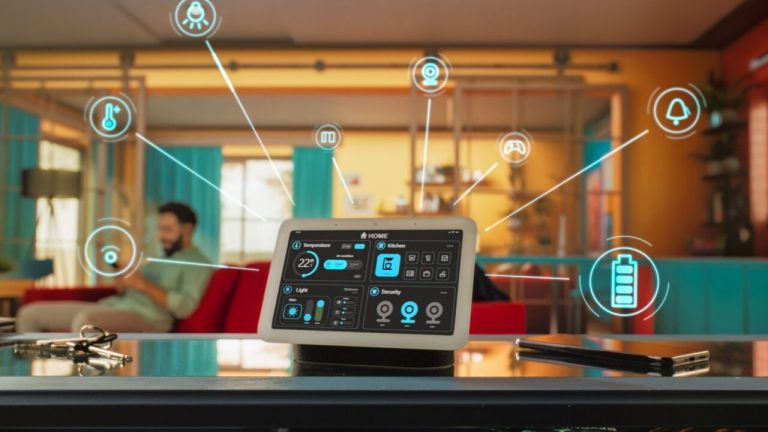

In an era defined by sustainability and intelligent living, optimizing household energy consumption has become both a financial and environmental imperative. Among the most impactful innovations driving this transformation are Smart Thermostat Upgrades — intelligent systems designed to harmonize comfort with conservation. As global energy costs surge and climate consciousness deepens, these devices have evolved from luxury add-ons into essential components of the modern home ecosystem.
This exploration delves into how smart thermostats are redefining residential energy management, offering precision, adaptability, and long-term efficiency.
1. The Evolution of Climate Control
Traditional thermostats operated on simple mechanics — set a temperature, and the system complied until manually changed. In contrast, today’s Smart Thermostat Upgrades employ predictive algorithms, motion sensors, and cloud-based analytics to optimize energy use dynamically.
The transition reflects a broader trend: the digitalization of domestic infrastructure. What began as programmable temperature control has matured into an intelligent system capable of learning your habits, anticipating comfort needs, and reducing unnecessary energy expenditure.
These devices now interface seamlessly with broader smart-home ecosystems, integrating with voice assistants like Alexa, Google Home, and Apple HomeKit. The result is a climate control system that adapts not just to temperature shifts but to human behavior itself.
2. How Smart Thermostats Save Energy
The core advantage of Smart Thermostat Upgrades lies in their ability to balance comfort and conservation through data-driven precision. Unlike static systems, they actively learn from patterns of occupancy, external weather conditions, and energy price fluctuations.
a. Adaptive Scheduling
Smart thermostats eliminate the inefficiency of fixed schedules. Through continuous learning, they recognize when residents are home, away, or asleep — automatically adjusting settings to prevent waste.
b. Geofencing Technology
By linking to smartphone GPS data, the thermostat detects proximity. When you leave home, it lowers heating or cooling levels; when you’re returning, it restores your preferred temperature. This spatial intelligence ensures comfort without excess.
c. Real-Time Energy Monitoring
Most Smart Thermostat Upgrades include detailed energy usage reports. These analytics reveal consumption trends and provide actionable insights — empowering homeowners to make informed adjustments that yield measurable savings.
d. Weather-Responsive Adjustments
Modern models access live meteorological data, modifying performance based on outdoor humidity, temperature, and forecasted conditions. The result is smoother operation and reduced strain on HVAC systems.
Through these combined mechanisms, homeowners can reduce energy bills by up to 20% annually — a statistic supported by multiple independent studies on smart climate technology efficiency.
3. Choosing the Right Smart Thermostat
The market for Smart Thermostat Upgrades is expanding rapidly, but not all models deliver the same level of functionality. Selecting the right device requires evaluating several critical dimensions.
a. Compatibility
Ensure that the thermostat supports your existing HVAC system — whether it’s a single-stage, multi-zone, or heat pump configuration. Compatibility with your home’s electrical setup (such as the presence of a C-wire) is also essential.
b. Connectivity Ecosystem
Integration capability defines the modern smart home. Choose a thermostat that aligns with your preferred ecosystem — be it Amazon Alexa, Google Assistant, or Apple HomeKit — to ensure seamless voice control and automation.
c. Interface and App Usability
A well-designed interface simplifies control and enhances engagement. The best thermostats feature intuitive mobile apps that allow remote adjustments, scheduling, and energy tracking with minimal friction.
d. Data Privacy and Security
Given their connectivity, Smart Thermostat Upgrades collect data on household patterns. Prioritize brands with strong encryption protocols, transparent privacy policies, and secure firmware updates.
When chosen wisely, the right thermostat doesn’t merely regulate temperature — it orchestrates an efficient, intelligent home environment.
4. Leading Smart Thermostat Technologies in 2025
The landscape of climate control innovation in 2025 showcases remarkable advancements in automation, sustainability, and human-centered design. The following represent the forefront of Smart Thermostat Upgrades shaping the modern household.
a. Nest Learning Thermostat (4th Gen)
Google’s flagship thermostat continues to set the standard for machine learning integration. It autonomously programs itself after observing user behavior for a week, adjusting heating and cooling cycles with exceptional precision.
Its energy-saving “Eco Mode” intelligently minimizes consumption during idle periods, while integration with Google’s ecosystem ensures compatibility and voice-based control.
b. Ecobee Smart Thermostat Premium
Ecobee’s latest model emphasizes environmental responsiveness. It uses built-in air-quality sensors to regulate not only temperature but overall indoor wellness. Its occupancy detection system leverages radar technology, providing superior accuracy over traditional motion sensors.
c. Honeywell Home T10 Pro
Designed for multi-zone households, Honeywell’s T10 Pro provides room-by-room control via remote sensors. It also incorporates geofencing and energy reporting, appealing to users seeking granular command over large homes.
Each of these innovations underscores a singular truth: the sophistication of Smart Thermostat Upgrades is transforming energy conservation into a seamless, automated experience.
5. The Role of Artificial Intelligence
Artificial Intelligence (AI) has become the silent architect of smart climate control. Embedded within modern thermostats, AI analyzes user data to create predictive behavioral models.
For instance, it learns when you typically wake, when you return from work, and how your comfort preferences vary with humidity or time of day. It then makes micro-adjustments that would be impossible for manual systems to replicate.
AI-driven Smart Thermostat Upgrades also interact with the power grid. Some models participate in “demand response” programs — temporarily reducing energy use during peak hours in exchange for rebates. This not only benefits individual households but stabilizes grid-wide efficiency.
The result is an ecosystem where energy optimization becomes autonomous — intelligent, invisible, and profoundly effective.
6. Sustainability and Environmental Impact
Energy efficiency transcends economics; it’s a moral imperative in the age of climate accountability. Every kilowatt-hour saved contributes to emission reduction and resource preservation.
By adopting Smart Thermostat Upgrades, homeowners actively participate in sustainable development. The ripple effects are tangible:
-
Reduced Carbon Footprint: Lower energy consumption directly decreases household greenhouse gas emissions.
-
Extended HVAC Lifespan: Smart modulation prevents excessive system wear, reducing material waste and replacement frequency.
-
Integration with Renewable Energy: Many smart thermostats can synchronize with solar and wind energy systems, adjusting consumption based on peak generation periods.
These upgrades symbolize a shift from passive consumption to conscious participation in global energy stewardship.
7. Economic Benefits of Smart Climate Management
While environmental benefits are compelling, the financial rationale is equally persuasive. Smart thermostats deliver measurable economic efficiency through direct and indirect savings.
-
Lower Utility Bills: Automated adjustments reduce wasted heating and cooling.
-
Reduced Maintenance Costs: Predictive temperature regulation lessens strain on HVAC components.
-
Increased Property Value: Homes equipped with Smart Thermostat Upgrades appeal strongly to tech-savvy and eco-conscious buyers, enhancing resale potential.
The initial investment — typically ranging between $150 and $300 — is offset within the first two years through utility savings alone. Beyond that, the returns compound annually, making smart thermostats a pragmatic addition to any energy-conscious home.
8. Integration with Broader Smart Home Systems
Modern homes operate as interconnected ecosystems, where devices communicate to optimize performance and comfort. Smart Thermostat Upgrades are the nexus of this integration.
When linked with lighting, window shades, or occupancy sensors, they enable layered automation. For example:
-
Lights dim and curtains close when the thermostat detects evening mode.
-
HVAC output adjusts when windows are opened to prevent unnecessary cooling.
-
Voice assistants can set “Comfort,” “Eco,” or “Vacation” modes across the entire home.
This synergy enhances not only efficiency but quality of life — a harmonious balance between human comfort and digital intelligence.
9. Overcoming Common Misconceptions
Despite widespread adoption, several myths persist about Smart Thermostat Upgrades:
-
“They’re complicated to install.” Most modern units feature guided installation processes, often requiring less than 30 minutes and no professional assistance.
-
“Manual adjustment is more reliable.” In reality, smart thermostats outperform manual control by continuously learning and self-correcting.
-
“They compromise privacy.” Reputable brands employ end-to-end encryption and anonymized data analytics, ensuring user privacy.
Dispelling these misconceptions is key to broader adoption — because the benefits, both tangible and intangible, are substantial.
10. Looking Ahead: The Future of Energy Automation
The trajectory of Smart Thermostat Upgrades points toward a future of deeper integration and greater autonomy. Emerging trends suggest even more profound energy optimization through:
-
Predictive Climate Forecasting: AI models that pre-adjust home temperatures based on upcoming weather patterns.
-
Grid-Synchronized Automation: Direct communication between smart homes and power providers for real-time demand balancing.
-
Voice-Only Interfaces: Fully hands-free systems operating through natural language recognition.
-
Enhanced Sustainability Metrics: Carbon dashboards that display not just energy savings but environmental impact in real time.
This future is not speculative — it’s already unfolding, one firmware update at a time.
Energy conservation in the 21st century demands more than awareness; it demands action informed by innovation. Smart Thermostat Upgrades represent the convergence of technology and responsibility — tools that empower homeowners to reduce waste without sacrificing comfort.
They embody the ethos of the modern age: precision, adaptability, and accountability. Through data-driven intelligence, seamless automation, and sustainable integration, these devices redefine what it means to live efficiently.
To save energy in 2025 is to live smarter — and smart thermostats are the quiet architects of that transformation.
About the Author