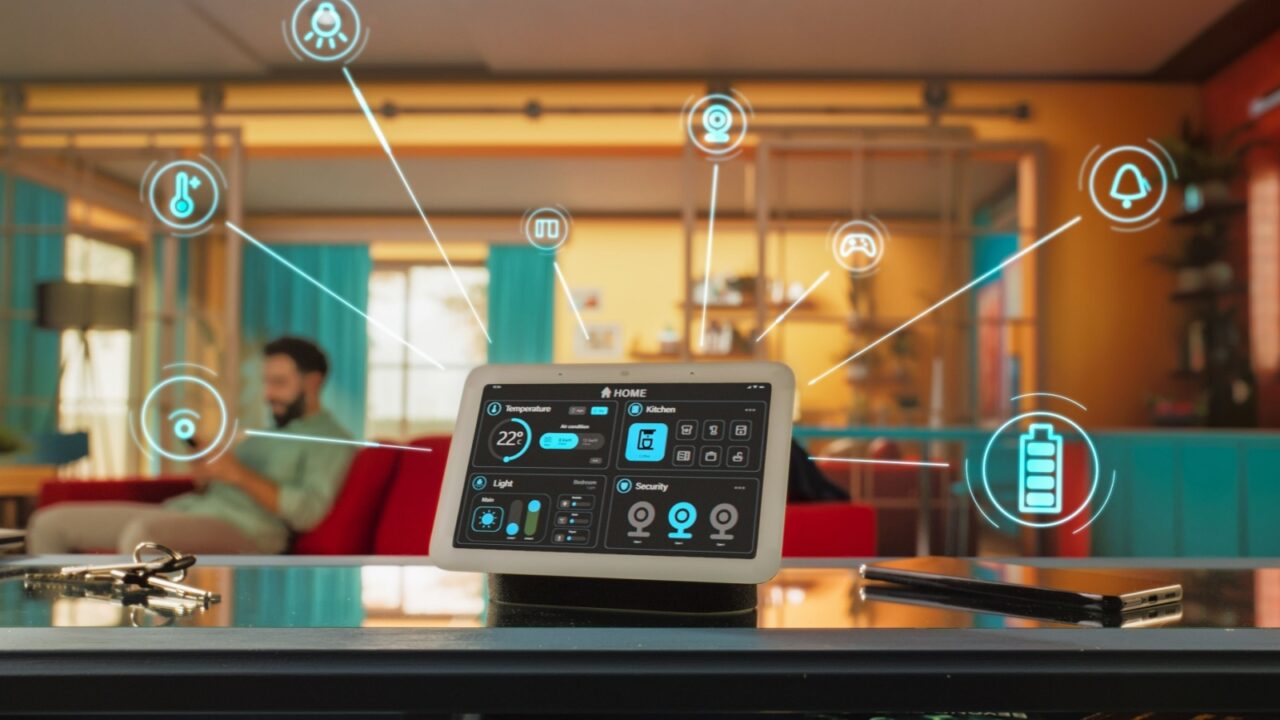
The modern home is no longer a static structure defined solely by walls, furniture, and fixtures. It is becoming an adaptive environment. Responsive. Intelligent. Purpose driven. At the center of this transformation are smart home upgrades, technologies that recalibrate how living spaces function, feel, and respond to human behavior.
These upgrades do not merely add convenience. They alter spatial intelligence. They introduce automation, predictive behavior, and contextual awareness into everyday life. When implemented thoughtfully, they transform a home from a passive shelter into an active partner in comfort, efficiency, and security.
The Strategic Value of Smart Home Integration
The appeal of smart home upgrades lies in their immediacy. Changes are perceptible almost instantly. Lights respond intuitively. Climate systems adjust autonomously. Security becomes ambient rather than intrusive.
Yet beneath this surface level transformation exists a deeper value proposition. Smart systems optimize resource consumption, reduce cognitive load, and introduce a layer of digital orchestration that aligns living spaces with modern lifestyles.
Short sentence. The home begins to think.
Intelligent Lighting as a Foundational Upgrade
Lighting is often the first point of entry into smart ecosystems, and for good reason. Its impact is immediate and visceral.
Smart lighting systems allow granular control over brightness, color temperature, and scheduling. Circadian lighting adapts throughout the day, supporting natural sleep cycles and reducing visual fatigue. Motion sensing illumination enhances safety while minimizing energy waste.
As smart home upgrades go, intelligent lighting redefines ambiance and function simultaneously. It shapes mood. It directs attention. It changes how spaces are experienced without altering physical architecture.
Climate Control That Anticipates Behavior
Traditional thermostats react. Smart climate systems anticipate.
Advanced sensors monitor occupancy, humidity, external weather conditions, and usage patterns. Machine learning algorithms then modulate heating and cooling dynamically. The result is thermal comfort achieved with mathematical efficiency.
These smart home upgrades do more than reduce utility bills. They stabilize indoor environments, protecting materials, improving air quality, and enhancing overall well being.
Comfort becomes predictive rather than reactive.
Security Systems That Operate in the Background
Security technology has evolved from visible deterrents to invisible intelligence. Cameras, sensors, and access controls now operate as cohesive networks rather than isolated devices.
Smart locks eliminate physical key dependency. Video analytics distinguish between routine motion and genuine anomalies. Alerts are contextual, reducing false alarms while maintaining vigilance.
When deployed as smart home upgrades, security systems become ambient guardians. Present, alert, and unobtrusive.
Voice and Gesture Interfaces as Control Layers
Control is shifting away from physical interfaces. Voice assistants and gesture recognition systems now serve as primary command layers within smart environments.
Natural language processing enables intuitive interaction. Complex sequences are executed through simple verbal cues. Lighting, entertainment, climate, and security converge under unified control.
These smart home upgrades reduce friction. They replace menus and switches with intent based interaction, making technology accessible without technical complexity.
The Role of Centralized Ecosystems
Fragmentation undermines efficiency. Centralization amplifies it.
A cohesive smart home ecosystem integrates disparate devices under a single operational framework. This interoperability allows systems to communicate, coordinate, and adapt holistically.
For example, a security alert can trigger lighting changes. Climate systems can adjust when windows open. Entertainment systems can respond to time of day or occupancy.
Such orchestration elevates smart home upgrades from isolated enhancements to systemic transformation.
Energy Management and Resource Optimization
Sustainability is no longer optional. It is structural.
Smart energy management systems monitor consumption in real time. They identify inefficiencies, shift loads to off peak hours, and integrate renewable sources where available.
Appliances communicate usage data. Solar systems coordinate with storage solutions. The home becomes an energy aware organism.
As smart home upgrades mature, energy optimization becomes both an environmental responsibility and a financial strategy.
Smart Kitchens and Functional Intelligence
The kitchen is transitioning into a data informed workspace. Appliances now possess situational awareness.
Refrigerators track inventory. Ovens adjust cooking parameters algorithmically. Dishwashers optimize cycles based on load composition.
These smart home upgrades enhance precision and reduce waste. They support efficiency without compromising creativity or control.
Functionality evolves quietly, yet decisively.
Entertainment Systems That Adapt to Context
Entertainment is no longer device centric. It is environment centric.
Smart audio and visual systems calibrate output based on room acoustics, lighting conditions, and content type. Profiles adjust preferences automatically. Transitions between activities occur seamlessly.
In the realm of smart home upgrades, entertainment becomes immersive without becoming overwhelming. It responds rather than demands.
Health and Wellness Oriented Technologies
The next frontier of smart homes is physiological awareness.
Air quality monitors track particulate matter and volatile compounds. Smart beds analyze sleep patterns. Lighting systems support circadian alignment. Water filtration adapts to usage and quality metrics.
These smart home upgrades embed wellness into the built environment. They transform homes into proactive health assets rather than neutral spaces.
The environment supports the body.
Privacy, Security, and Ethical Considerations
With intelligence comes responsibility. Smart systems generate data. How that data is managed matters.
Effective smart home upgrades incorporate encryption, local processing options, and transparent control mechanisms. Users retain agency over what is collected, stored, and shared.
Trust is foundational. Without it, technological sophistication loses legitimacy.
Scalability and Long Term Adaptability
A truly transformative upgrade strategy considers future expansion. Smart homes should not be static endpoints.
Modular systems allow incremental adoption. Open standards reduce vendor lock in. Software updates extend hardware relevance.
When planned strategically, smart home upgrades evolve with technological progress rather than becoming obsolete.
Longevity is intelligence.
Economic Impact and Property Value
Beyond lifestyle benefits, smart upgrades influence property economics.
Homes equipped with integrated smart systems often command higher market value. Energy efficiency, security, and automation appeal to discerning buyers.
These smart home upgrades are investments. They enhance livability today and marketability tomorrow.
Implementation Without Overcomplexity
Transformation does not require excess.
Effective smart homes prioritize relevance over novelty. Each upgrade serves a defined purpose. Systems are configured to simplify life, not complicate it.
Clarity of intent distinguishes meaningful smart home upgrades from technological clutter.
Smart home upgrades are redefining the concept of living space. They introduce intelligence, adaptability, and efficiency into environments once defined by static design. Lighting responds. Climate anticipates. Security observes. Systems communicate.
This transformation is not about spectacle. It is about alignment. Technology aligning with human behavior, environmental responsibility, and long term value.
When executed with precision and foresight, smart home upgrades do not merely modernize a home. They fundamentally transform how it lives, breathes, and supports those within it.
About the Author