
As modern homes become increasingly automated, optimizing indoor climate control has emerged as both a comfort and efficiency imperative. Smart Thermostat Installation is a cornerstone of this evolution, offering homeowners precise temperature regulation, energy savings, and seamless integration with digital ecosystems. Yet, while smart thermostats promise convenience, their benefits are fully realized only through careful planning, strategic placement, and proper configuration. Understanding the nuances of installation is essential for maximizing comfort and operational efficiency.
Assessing Your Home’s HVAC System Compatibility
Before beginning Smart Thermostat Installation, it is vital to evaluate system compatibility. Not all heating, ventilation, and air conditioning (HVAC) systems are inherently compatible with every smart thermostat model. Identifying whether your system employs conventional wiring, C-wire (common wire), or alternative voltage arrangements ensures seamless integration.
Older HVAC systems may require additional adapters or professional retrofitting to support smart thermostat functions. Performing this assessment prevents connectivity issues, reduces the risk of system damage, and lays the groundwork for reliable, long-term operation. Compatibility verification is not merely technical; it is a strategic step toward uninterrupted comfort and energy efficiency.
Optimal Thermostat Placement for Accurate Sensing
Placement is critical in Smart Thermostat Installation because sensor accuracy directly affects comfort and efficiency. Position the thermostat on an interior wall away from direct sunlight, drafty areas, and heat sources such as ovens or radiators. Avoid locations near windows or doors, as fluctuating external temperatures can skew readings, causing the HVAC system to overcompensate.
Central positioning within the home ensures more representative temperature monitoring. Advanced models may include remote sensors; strategically placing these throughout different rooms enhances zonal temperature control, creating an evenly comfortable environment and preventing unnecessary energy expenditure.
Understanding Wiring and Electrical Considerations
Electrical wiring is the backbone of effective Smart Thermostat Installation. Familiarity with existing HVAC wiring diagrams is crucial to avoid misconnection, which can impair functionality or damage equipment. Most smart thermostats require a C-wire to maintain continuous power, although some models offer battery operation or alternative wiring solutions.
Labeling existing wires before disconnection prevents errors during reinstallation. If homeowners lack electrical expertise, engaging a licensed professional is strongly recommended. Proper wiring ensures consistent connectivity, system reliability, and safety, all of which underpin optimal thermostat performance.
Leveraging Smart Thermostat Features
Modern thermostats are far more than simple temperature controls. Effective Smart Thermostat Installation includes configuring features such as learning algorithms, scheduling, geofencing, and remote access.
Learning algorithms analyze household behavior, automatically adjusting temperature to align with occupancy patterns and lifestyle preferences. Scheduling enables preemptive heating or cooling, optimizing energy use without compromising comfort. Geofencing allows the thermostat to respond to the presence or absence of occupants, further enhancing efficiency. Full engagement with these features requires deliberate setup during installation to extract maximum value from the device.
Integration with Smart Home Ecosystems
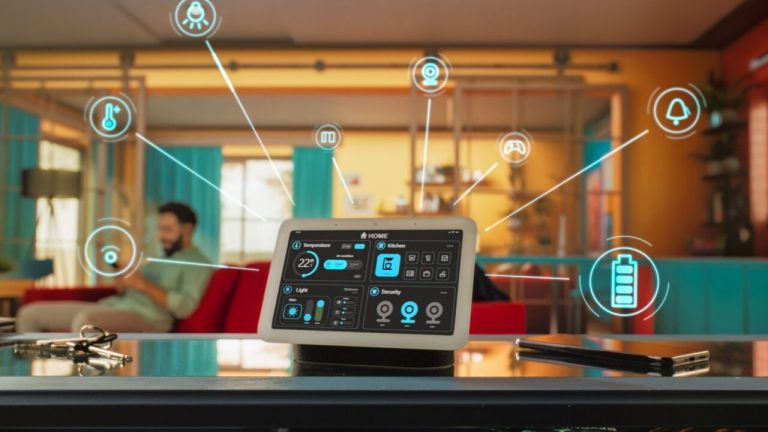
Smart Thermostat Installation is often part of broader smart home integration. Thermostats can connect to voice assistants, mobile apps, and home automation platforms, creating a cohesive environmental control system.
Integration permits centralized management of lighting, security, and HVAC systems, providing convenience and energy optimization. Understanding compatibility requirements with platforms such as Google Home, Amazon Alexa, or Apple HomeKit ensures smooth interoperability. Strategic integration enhances user experience and amplifies the thermostat’s functional potential.
Calibrating Temperature Sensors
Accurate calibration is essential post-Smart Thermostat Installation. Even slight discrepancies in sensor readings can lead to temperature inconsistencies, discomfort, and unnecessary energy consumption.
Calibrating involves verifying that the thermostat’s measurements align with actual room conditions using reference thermometers. Advanced thermostats may allow fine-tuning via software settings or mobile applications. Proper calibration ensures that programmed schedules, learning algorithms, and remote control features operate reliably, delivering precise comfort throughout the home.
Creating Energy-Efficient Temperature Schedules
Maximizing comfort does not require constant temperature maintenance. Smart Thermostat Installation should include designing energy-efficient schedules that balance comfort and cost.
Daytime, nighttime, and seasonal schedules can optimize HVAC operation, reducing consumption during periods of low occupancy. Incorporating gradual temperature changes rather than abrupt shifts prevents system strain and enhances longevity. Smart scheduling leverages predictive analytics to maintain a comfortable environment without excessive energy expenditure, exemplifying the intersection of technology and practical efficiency.
Utilizing Remote Access and Mobile Applications
Remote management is a transformative aspect of Smart Thermostat Installation. Mobile applications allow homeowners to monitor and adjust temperatures from anywhere, providing flexibility and real-time responsiveness.
Remote access enables preconditioning before arrival, reactive adjustments during unusual occupancy patterns, and alerts for maintenance issues or abnormal system behavior. Engaging with these digital tools enhances both convenience and operational insight, ensuring the thermostat delivers maximum value beyond traditional manual controls.
Ensuring Proper Firmware Updates
Firmware management is a frequently overlooked aspect of Smart Thermostat Installation. Manufacturers regularly release updates to improve device performance, add features, and address security vulnerabilities.
Ensuring that the thermostat operates on the latest firmware maximizes functionality, strengthens cybersecurity, and guarantees compatibility with other smart devices. Regularly reviewing update notifications or enabling automatic updates is a best practice that sustains efficiency, reliability, and comfort over the lifespan of the device.
Troubleshooting Common Installation Challenges
Challenges can arise even in straightforward Smart Thermostat Installation scenarios. Common issues include inconsistent Wi-Fi connectivity, incorrect wiring, improper sensor readings, and integration failures with home automation systems.
Proactive troubleshooting involves methodically reviewing wiring, network settings, and device configurations. Consulting manufacturer guides, support forums, or professional technicians can resolve persistent issues. Early intervention prevents long-term inefficiencies and ensures that the thermostat operates as intended, maintaining both comfort and energy performance.
Professional Installation Considerations
While many homeowners can perform DIY installation, certain situations warrant professional expertise. Complex HVAC systems, unconventional wiring, or multi-zone heating configurations may require specialized knowledge.
Professional Smart Thermostat Installation guarantees precise setup, safety compliance, and optimized performance. Technicians can also provide post-installation testing, calibration, and integration services, ensuring the system functions seamlessly from day one. Investing in professional installation may entail upfront costs but often results in superior long-term efficiency and reliability.
Maintenance and Seasonal Adjustments
Installation is merely the first step; ongoing maintenance is critical for sustained comfort. Smart Thermostat Installation should be complemented by seasonal reviews of schedules, calibration, and system performance.
Cleaning sensors, verifying connectivity, and adjusting temperature programs according to seasonal climate variations prevent inefficiencies and maintain comfort. Regular monitoring also allows for early detection of HVAC system anomalies, extending equipment lifespan and reducing the risk of costly repairs.
Enhancing Indoor Comfort Through Strategic Zoning
Strategic zoning amplifies the benefits of Smart Thermostat Installation. Multi-zone systems allow independent temperature control in distinct areas, accommodating diverse preferences and usage patterns.
Zonal control enhances comfort for occupants, reduces energy waste, and optimizes HVAC performance. Combining zoning with remote sensors and learning algorithms creates a responsive system that adjusts intelligently, maintaining optimal environmental conditions throughout the home.
Effective Smart Thermostat Installation is a synthesis of technical precision, strategic planning, and thoughtful utilization of advanced features. From assessing HVAC compatibility to optimal placement, wiring considerations, calibration, and smart integration, each step directly influences comfort, efficiency, and overall system performance.
By embracing energy-efficient schedules, leveraging mobile applications, integrating with broader smart home ecosystems, and adhering to regular maintenance protocols, homeowners can extract the full potential of their smart thermostats. Professional installation may enhance outcomes in complex scenarios, ensuring reliability and long-term operational excellence.
Ultimately, smart thermostat adoption is not merely a convenience; it is an investment in comfort, energy efficiency, and technological empowerment. When installed and configured correctly, smart thermostats provide responsive climate control, actionable insights, and a tangible reduction in energy costs. Careful attention to installation nuances ensures that the system functions seamlessly, creating a home environment that is both inviting and intelligently managed.
Through methodical Smart Thermostat Installation, homeowners achieve an equilibrium between sophisticated technology and practical utility, transforming indoor climate management into a refined, effortless, and highly personalized experience.
About the Author